
Your guide to waterfall enrichment: Process and best practices
Learn how waterfall enrichment works, why multiple providers improve data quality, and how LoneScale delivers verified results


Your guide to waterfall enrichment: Process and best practices
Outdated job titles, missing emails, and incomplete records mean reps waste hours chasing prospects that were never going to convert. No single vendor has the coverage or accuracy to keep pace with how fast accounts and contacts evolve.
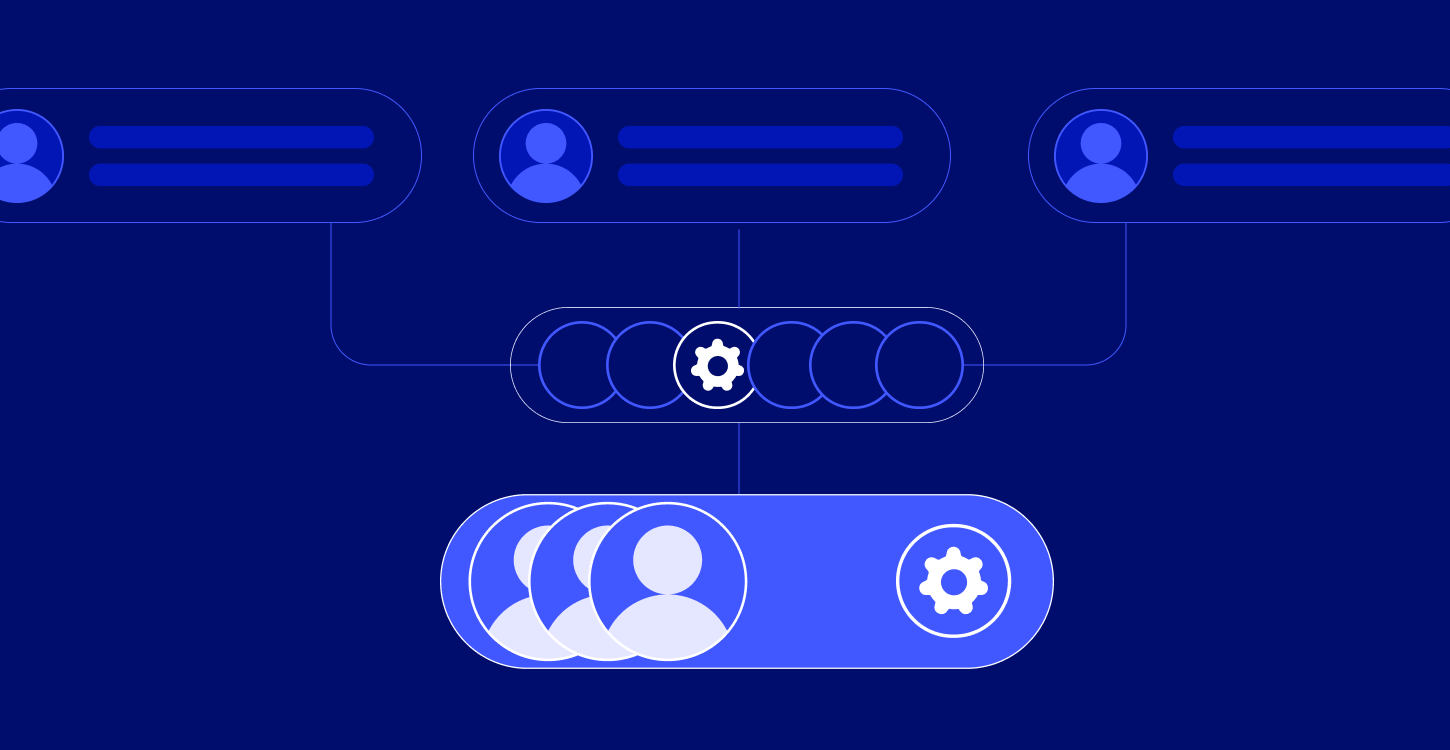
Waterfall enrichment fixes this by routing records through a prioritized sequence of customer data providers. If the first provider doesn’t have the data, the next one does. This process ensures your team gets complete, current information they can trust, without the manual chase.
In this article, we break down how waterfall enrichment works and the impact it can have on your data quality and lead generation.
What is waterfall enrichment?
Waterfall enrichment is a data improvement strategy in which a contact record is sent through a sequence of data providers (or vendors) instead of relying on just one data source. The goal is to enrich as many individual data points as possible, like personal emails, phone numbers, mobile numbers, and job titles, so each record contains the verified information your team needs for effective outreach, segmentation, and lead qualification.
Why is waterfall enrichment better than using a single data provider?
A single vendor leaves gaps in your contact database. A waterfall enrichment system layers multiple data providers together so one vendor’s weaknesses are balanced by another’s strengths.
How does the waterfall enrichment process work?
At its core, the waterfall enrichment process follows a clear sequence:
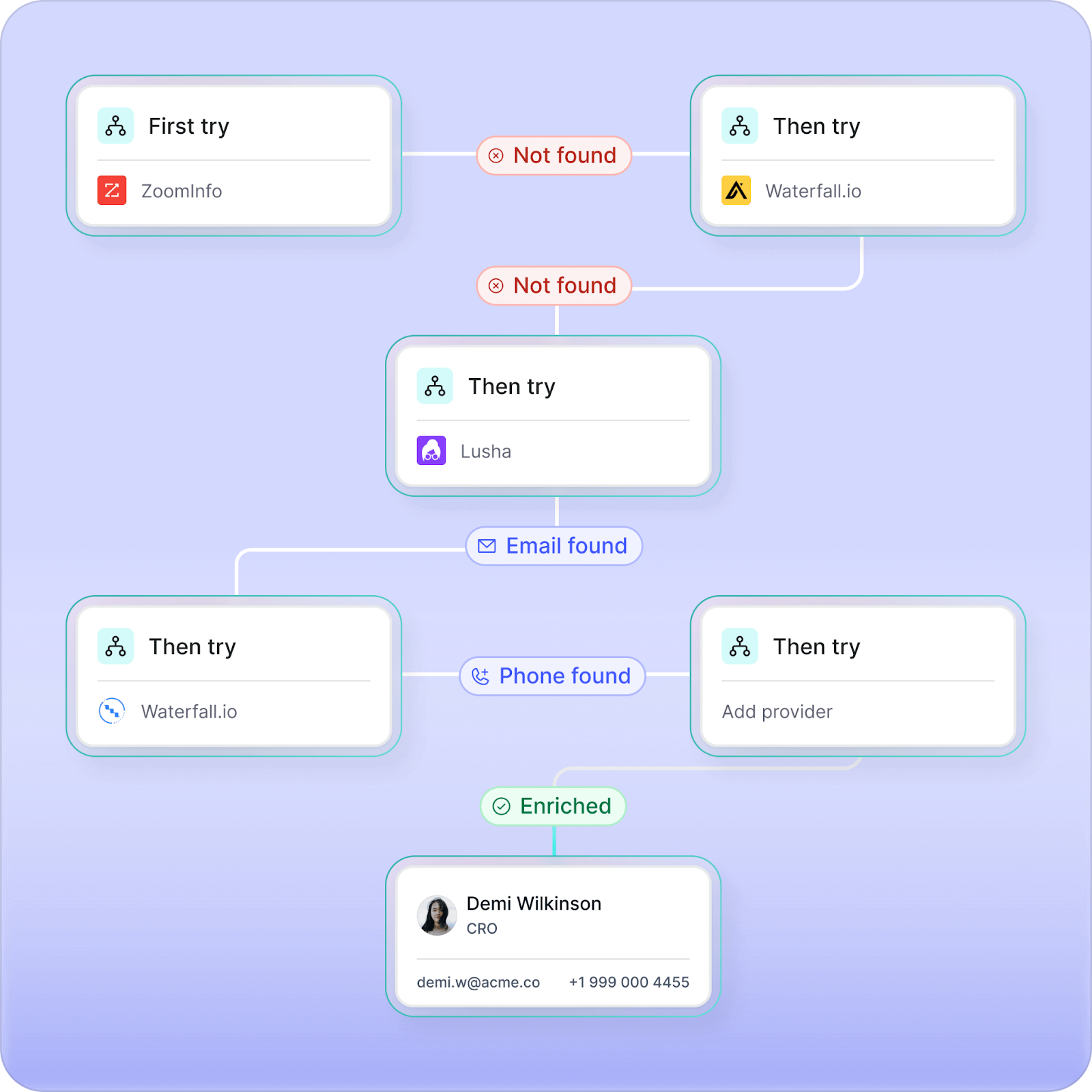
- Trigger the workflow: The process begins when a lead or account record needs enrichment. This trigger could be a new lead list, an inbound form submission, or a scheduled CRM update.
- Send to the first provider: The record is passed to your first provider. This vendor attempts to enrich missing data points, like personal emails, phone numbers, or job titles.
- Move to the next provider: If the first vendor can’t find what you need, the record flows to the next provider. This continues across multiple data vendors, each contributing the varying data at their disposal.
- Stop when the record is complete: Once the record has the required contact data, the waterfall ends. You don’t pay or query other providers unnecessarily.
- Write results into your CRM: The enriched record, containing verified data, is updated directly in your contact database so reps always work with fresh, reliable information.
Every platform offers different features to support these steps. Here’s what LoneScale’s waterfall enrichment system includes:
- 1-click sourcing: Instantly enrich any target account list or inbound lead without switching tools
- Intelligent waterfall logic: LoneScale automatically sequences 25+ data providers, applying country, company-size, and performance-based rules to find the most accurate data first.
- Chrome extension: Find and enrich contacts as you research leads to instantly add their contact info to your CRM
- Always-fresh records: Job titles and firmographics are rechecked daily, preventing data decay and keeping your CRM continuously up to date
- CRM-native delivery: Enriched emails and phone numbers appear directly in Salesforce and HubSpot
- Cost optimization: LoneScale connects to your existing vendors, such as Apollo.io, ZoomInfo, Cognism, Clay, Lusha, or People Data Labs, and uses those credits first before pulling from complementary sources. This ensures maximum coverage without paying twice for the same data.
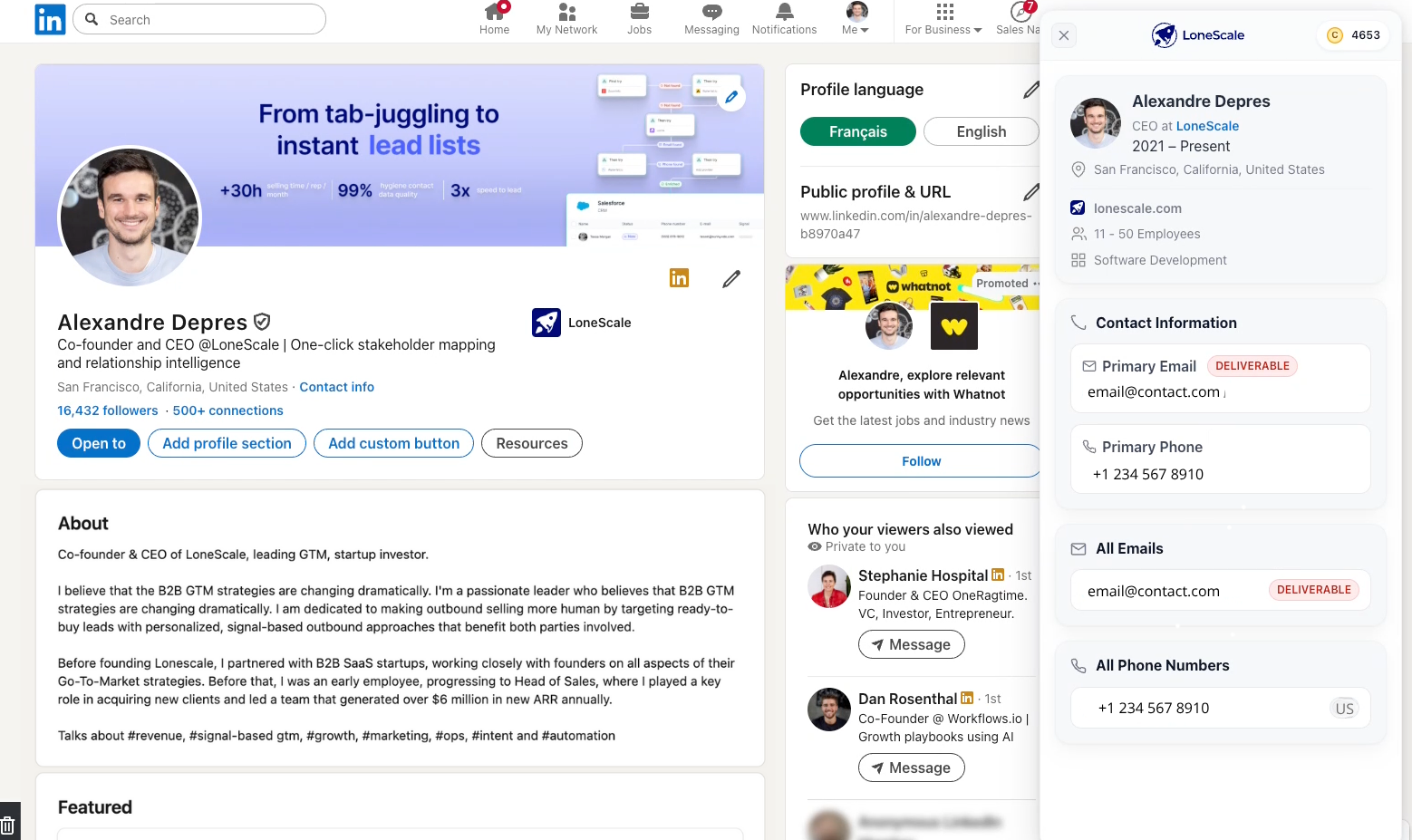
What contact data is added with waterfall enrichment?
Depending on your setup, here are the main data points enriched and refreshed:
- Emails and phone numbers
- Verified personal emails and business addresses
- Mobile numbers and direct dials to improve connection rates
- Every email and phone number is checked for deliverability and accuracy to prevent bounces and protect your domain reputation
- Job titles and roles
- Current job titles and seniority levels
- Updates when decision-makers change roles or companies
- Identification of specific job titles relevant to buying committees
- Firmographics and company data
- Company size, industry, and location
- Company website or web domain
- Key contacts within accounts (not just one lead, but the full committee)
- Additional contact info enrichment
- LinkedIn profile links and email handles that help match each contact to the right company record in your CRM
- Enrichment from multiple vendors to ensure higher match rates and verified results
This way, you get a high-quality, verified contact list that supports better outreach, fewer gaps, and more leads flowing into your sales funnel.
What are the benefits of waterfall enrichment?
From generating more leads to reducing wasted spend on bad data, the benefits extend well beyond filling in a few emails or phone numbers. Let’s break down the key advantages.
Broader data coverage
A waterfall enrichment system queries multiple data vendors in sequence until the missing data points—like personal emails, mobile numbers, or job titles—are found.
This approach closes common gaps:
- Geographic blind spots (where one provider is strong in North America but weak in Europe, for example)
- Industry limits (some specialize in SaaS while others cover healthcare or finance)
- Variations in data types (certain vendors focus on phone numbers, others on job title accuracy or personal emails)
LoneScale combines popular data providers like Apollo.io and Cognism with nicher sources such as People Data Labs and Clay, so your contact database pulls from as many data providers as needed for complete coverage.
Higher data quality and accuracy
The biggest challenge with contact records is keeping them accurate over time. B2B data decays at around 2.1% every month as people change jobs, phone numbers expire, and personal emails go inactive. A single vendor rarely refreshes fast enough, leaving your contact database full of outdated fields that waste time and damage your domain reputation.
A waterfall enrichment process tackles this by validating each field across multiple data providers. If one vendor returns an email, another confirms it, giving you verified data instead of guesswork. LoneScale records in Salesforce and HubSpot are refreshed daily, and enrichment is sequenced through multiple vendors based on performance and geography.
The result is a steady flow of high-quality data, accurate job titles, live mobile numbers, and valid emails that keep your sales funnel moving.
Cost efficiency and scalability
Managing enrichment across multiple vendor subscriptions is expensive and time-consuming. Most tools charge upfront for bulk credits, whether or not those lookups return valid data. A waterfall enrichment system only consumes credits when enrichment succeeds, so spend is tied directly to results, not attempts.
LoneScale goes further by letting you connect your existing credits from popular data providers like Apollo.io, Cognism, Clay, or People Data Labs. It uses those first before drawing from other providers, which means you minimize expenditure while still maximizing coverage.
Whether you’re enriching a small lead list or running updates across thousands of contacts, everything flows through one tool instead of juggling multiple tools and separate billing systems.
Stronger lead generation and personalization
With more complete profiles, reps can segment by role, tailor messaging, and avoid the wasted effort of chasing partial or outdated contacts. This creates more opportunities, more engaged conversations, and a healthier sales funnel.
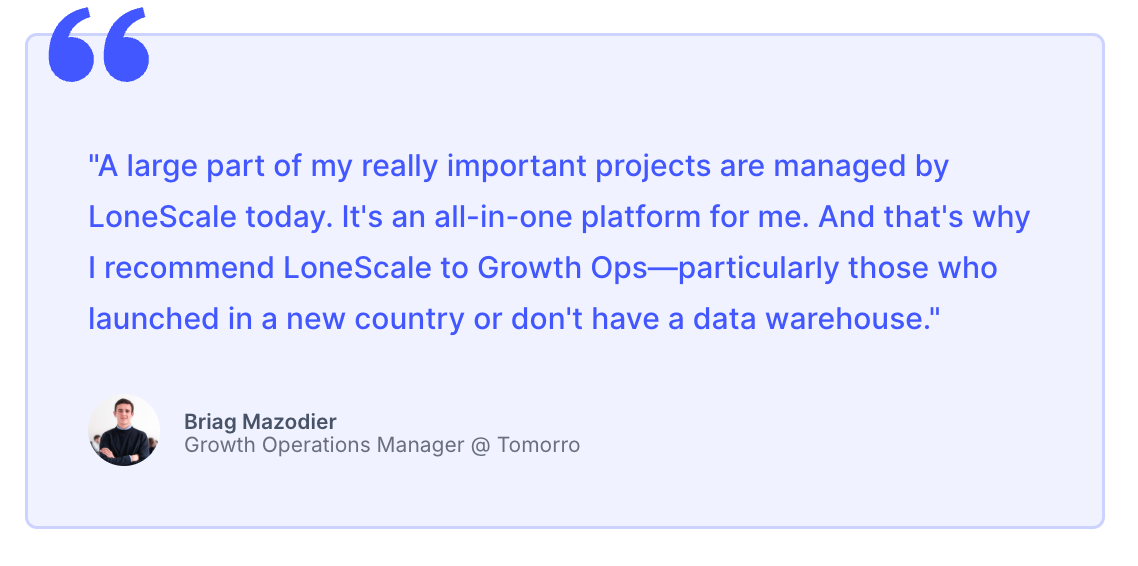
For example, contract-management platform Tomorro used LoneScale to enrich and prioritize their TAM inside HubSpot. As Growth Operations Manager, Briag Mazodier, explains, they needed a way to push only clean, usable data to his SDR team.
By leveraging LoneScale’s signals and enrichment, Tomorro uncovered 75% of new hire contacts that weren’t already in the CRM, personalized outreach around those moves, and quickly generated over $1.5M in new pipeline.
With verified data powering sequences, SDRs connected with the right decision-makers faster, improved deal quality, and increased conversion rates.
Operational advantage
Beyond better data, a waterfall enrichment system strengthens your entire RevOps foundation. Relying on one provider creates a single point of failure—if that vendor’s API is down or their dataset is outdated, your enrichment stops.
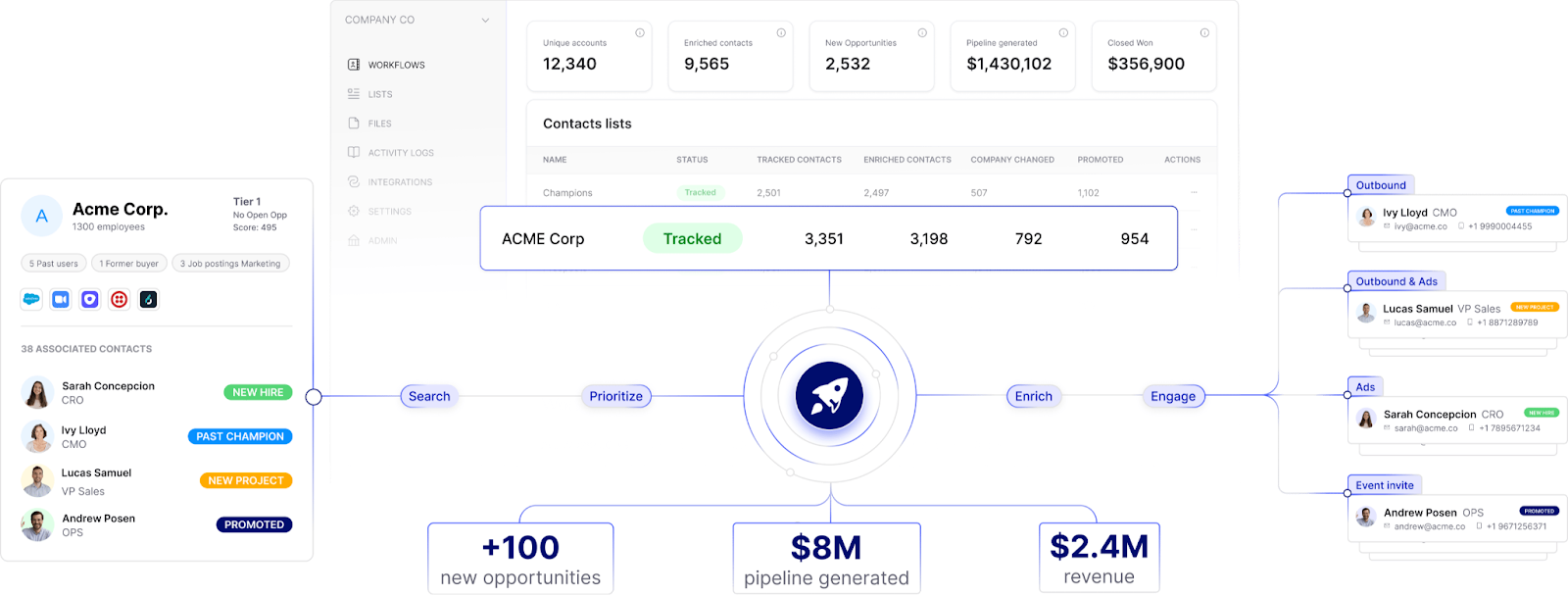
In LoneScale, built-in analytics track provider performance, credit consumption, and enrichment outcomes, so you can see which data vendors deliver the most reliable data points. This visibility allows you to optimize your waterfall logic, apply provider updates dynamically, and continuously improve coverage.
Operationally, LoneScale also eliminates the overhead of juggling multiple subscriptions or managing enrichment across most tools. Instead, everything runs through one tool natively inside Salesforce and HubSpot. Reports show impact directly in the CRM, like connected rates, pipeline creation, and closed-won revenue, tying contact enrichment to real sales outcomes.
Should you build or buy a waterfall enrichment solution?
When teams first explore waterfall enrichment, the question often comes up: Should we create our own waterfall enrichment system or invest in a ready-made platform?
Building your own
Creating a homegrown solution means integrating APIs from multiple data providers, writing routing logic for every data source, and handling credit management across multiple subscriptions. You’ll need engineers to maintain the workflow, adjust rules as vendors change, and monitor data freshness. Even then, you’ll likely face issues with valid emails, missed verified results, and rising costs as you add more prospects and scale to large volumes.
Some teams try to stitch this together with a mix of popular data providers like Apollo.io or Cognism and less popular data providers for niche coverage. But the upkeep is high, the results inconsistent, and your sales team is left waiting for enrichment that isn’t reliable.
Buying a solution
A purpose-built platform gives you the benefits of a waterfall approach without the headaches. Instead of juggling APIs, contracts, and credits, you get everything in one tool. LoneScale, for example, pulls from 25+ data vendors, including Apollo.io, Cognism, Clay waterfalls (and even Clay credits if you already have them), and automatically sequences them based on region, company size, and performance.
That means every record gets multiple chances to return accurate information: whether it’s verified emails, personal emails, mobile numbers, or updated job titles. The system delivers verified results directly into Salesforce and HubSpot, so your reps work with fresh, valid data. And all this without the hassle of managing your own waterfall solution.
Turn waterfall enrichment into your sales team’s competitive advantage
Waterfall enrichment is about giving your go-to-market engine a foundation it can trust. When your contact database is constantly refreshed with accurate information from multiple data providers, every stage of the funnel improves. Reps spend less time second-guessing contact info, marketers run cleaner campaigns, and RevOps leaders gain confidence in the analytics driving their forecasts.
LoneScale centralizes enrichment into one tool, orchestrating 25+ data providers to get the data you need. With daily refreshes, provider performance analytics, and native integrations into Salesforce and HubSpot, your data becomes a growth lever.
For companies like Tomorro, LoneScale has translated into millions in new pipeline and stronger deal quality. For your team, it could mean fewer dead ends, a healthier sales funnel, and more predictable revenue.
Why integrate a People Finder API into CRMs, products, and systems
How to connect Salesforce to LinkedIn for contact creation and enrichment
.png)
Your guide to waterfall enrichment: Process and best practices

.png)


Top 10 Sales Automation Tools for B2B Teams

Prospect smarter with live stakeholder mapping
One click in Salesforce reveals the entire verified buying committee with accurate contact details and keep stakeholders up-to-date. It’s not just “updated often” — it’s actually live.